|
„I don’t know merit, only obligation, Herman Ottó
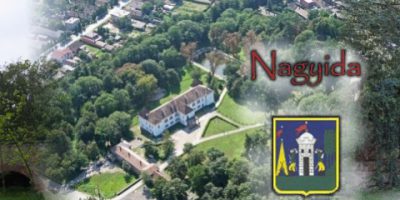
Historic findings Its surroundings are very rich in terms of historical artefacts: from the late bronze age, findings from the „buhovohorska” culture from La Tene, Roman and Slavic artefacts were also found here. History It was first mentioned as Ida in 1251, and that time it belonged to the Aba family, but according to written data it was a divided possession among the Amadé, Csirke, Litery and Verpeléti branches of the Aba family. Its castle was built by the Perényis. Probably it was surrounded by a simple bund ditch that was supplied by the Ida river. Unfortunately the castle has been destroyed, so today we can only see the ditch around. The castle has never been rebuilt. The local czigány residents are talking about it as their legal inheritance and they cal the inhabitants of Nagyida usurpers. In 1742 it got into the hands of Csáky family who always have had a great role in HUngarian history. The greatest figure in the family has been Csáky István, main general of the Transylvanian forces who was born around 1567 and died in 1605. In 1657 the Turks have gone till Kassa, causing damages in Nagyida during that time. Ilosvai Selymes Péter lived and produced his works serving the Perényis in the 16th century. A nagyidai cigányok című híres művében - Arany János népies eposza emlékezik meg a cigányok hősi tetteiről. In November, 1944 the line of the withdrawing German and Hungarian units moved, the settlement became part of the front line.
According to the registrations, it can be seen that among the gypsies trying to fit in the most popular professions were the smith and musician.
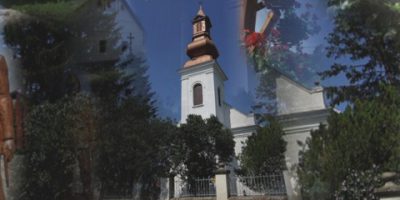
Sights Cigányvár, the ditches of the castle and some parts of the stone wall can still be seen. The Csáky castle was built in 1671, but in 1681 it is already in ruins. In the 18th century, the Csákys have built another castle, which has a beautiful English garden, spectacular lakes, glasshouses and a wild park. There is also a chapel in the castle with the grave of the Csákys and interesting old pictures. Catholic church Reformed church In past times Besides crops, many different fruits were grown in Nagyida: mainly plum, apricot, cherry and pear. Grapes were usually grown around houses, wine was not made out of them, usually people used it for making raisin. The typical form of settlement here was the so-called shedded settlement. In the nearby swamps it was easy to find cane, which served as superb building material for houses. Twin town Korlát in Hungary. The present The gypsies of Nagyida mean a serious problem. There were several attempts to cease the ghetto near Kassa, where parts of the gypsy families have moved to. A projekt átadási ünnepsége, 2010.szeptember 12-én lesz, vasárnap. The handover ceremony of the project is taking place on 12th September, 2010. |